Good Financial Habits You Can Learn Playing Poker
A lot of people harbor negative associations between poker and finances. While we may all dream of “winning big” at one point or another, it’s also driven into us that casino activity tends to lead to more loss than gain. Accordingly, most don’t look at poker as a way to make money — which is generally wise!
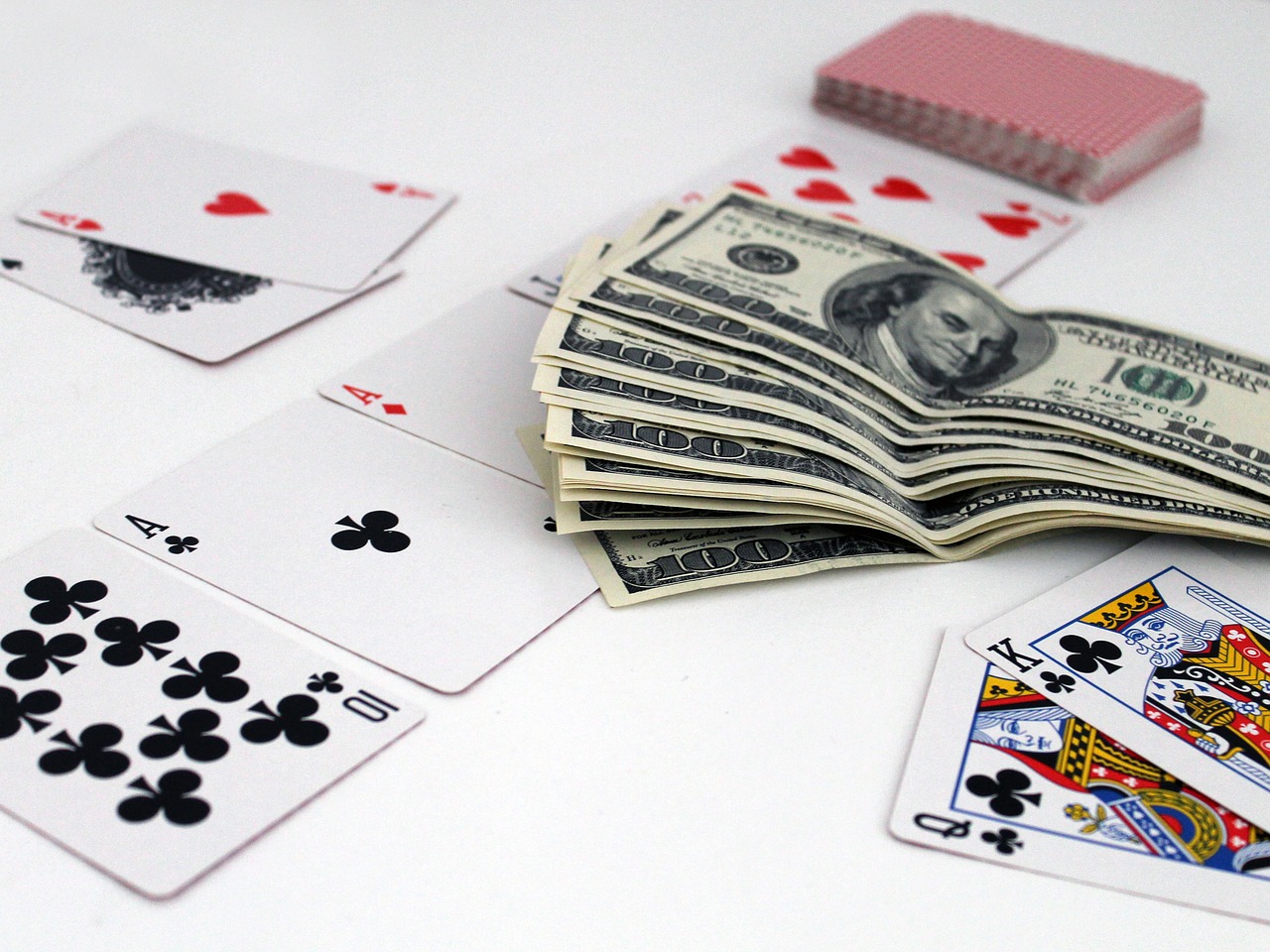
While it makes sense not to think of poker as a source of income though, the game can still be financially beneficial in an indirect way. Specifically, it can teach a lot of valuable lessons and instill habits that can make you better at managing your own personal finances.
Consider, for instance, the following practices.
Sticking to a Budget
In our previous post ‘How to Make a Budget for the First Time’ we asserted that budgeting is a good way to improve one’s financial health with regard to everything from expenditures to long-term savings. Beyond learning how to make a budget though, you also need to learn how to stick to one — a developed skill that, in the simplest of ways, you can learn from poker! If you find a way to play poker for real money, either online or in person, you’ll quickly recognize that making reckless bets or putting too much money into a given game can make you uncomfortable with your losses. As a result, you’ll be more hesitant to put more money into the next game. On the other hand, if you set aside a given amount of money to play with, you’ll learn how to make it last as best you can — and not to add to it when you shouldn’t.
Weighing Risk
This is an even simpler point, but still a valid one: When you play poker, you’re constantly assessing the financial risk and potential reward of each decision. Every card you draw, every look you exchange with opponents, and every bet you make can have bearing on whether you win or lose money. Fortunately, real life isn’t quite so tense, at least on a minute-to-minute basis. But getting into the habit of assessing decisions from a risk/reward standpoint can help you with your personal financial management. You’ll learn to look beneath the surface and assess how a decision is likely to affect your bottom line.
Trusting Math Over Intuition
Poker is a more mathematical game than some realize, to the point that understanding some of the underlying odds in any given scenario is often the difference between victory and defeat. As an article on Poker.org put it, if you’re making “mathematically incorrect” decisions, you’ll be a losing player. This basically means that poker players who want to succeed need to lean to trust the math over their own intuition, which is typically beneficial in real-life financial dealings as well. You’ll almost always have a gut feeling about financial decisions, whether they involve new purchases, long-term investments, budget adjustments, and so on. But whenever you’re able to sit down and do the math about how those decisions might impact you, you’ll be more likely to take the right course of action.
Diversifying Investments
When it comes to the investment side of your personal finances, diversification is one of the most commonly recommended strategies. A piece on USNews.com refers to portfolio diversification as the “seat belt” for a portfolio, in that it does away with the risk of “flying off the ride.” This is a cute way of saying that diversification minimizes risk by keeping your investments from being too closely tied to one asset or another. The concept isn’t exactly the same in poker, but lots of players do learn to spread out their gaming budgets across different games and events. That way, if one or two don’t go well, there are still opportunities for gain. Learning this through poker will make some more likely to pursue strategic diversification in finance as well.
Assessing Side Hustles
People pursue all kinds of “side hustles” today in order to supplement their finances. To give you some idea of what we’re referring to, a piece at Entrepreneur lists everything from selling items on eBay, to starting a blog, to opening a pet grooming service among the potentially profitable options. While these all can be profitable though, they can sometimes be more trouble than they’re worth also. Experience playing poker, meanwhile, might just train you to recognize whether earnings are worth the effort. Even if you don’t look at poker as a side hustle, you may have a feel for how much time you spend honing your game and playing in competition. By extension, you can roughly calculate what you may be “earning” or your time. Generally it’s a good idea to make these same assessments when gauging the value of a side hustle to your personal finances.
Through these practices and habits, poker can wind up teaching you a lot about financial management — even if it’s not a game you should count on for financial gain.